
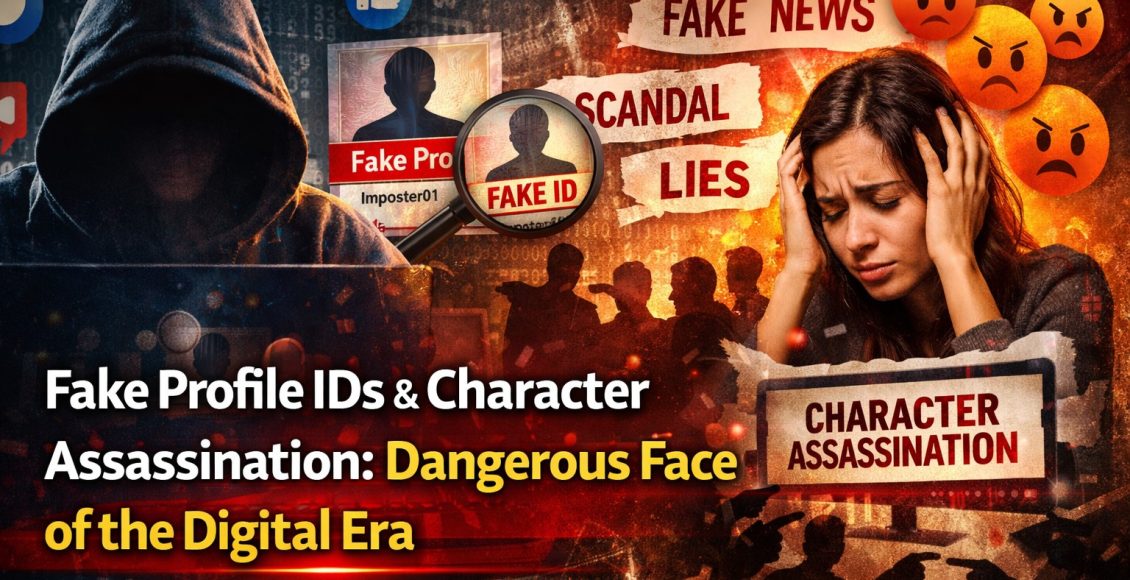
جعلی پروفائلز کے ذریعے کردار کشی: ڈیجیٹل دور کا نیا ہتھیار
اپنی شناخت چھپا کر جعلی پروفائلز بنا کر لوگوں کی کردار کشی کرنا اس دور کا سب سے بڑا جرم بنتا جا رہا ہے،اس جرم نے ہمارے ہاں کئی گھرانے تباہ کر دیئے ہیں۔
اگر دیکھا جائے تو ڈیجیٹل دور نے جہاں معلومات تک رسائی کو آسان بنایا ہے، وہیں اس نے ایسے خطرات کو بھی جنم دیا ہے جن کا اثر صرف آن لائن دنیا تک محدود نہیں رہتا۔اور ان خطرات میں سب سے خطرناک اور تیزی سے بڑھتا ہوا مسئلہ **جعلی پروفائلز کے ذریعے کردار کشی** ہے۔
یہ صرف ایک فرد کی ساکھ کو نقصان پہنچانے کا معاملہ نہیں بلکہ یہ ایک ایسا سماجی اور اخلاقی بحران ہے جو اعتماد، سچائی اور انصاف کے بنیادی اصولوں کو چیلنج کر رہا ہے۔
آج سوشل میڈیا پر ایک جعلی اکاؤنٹ بنانا چند منٹ کا کام ہے، بلکہ اس اکاؤنٹ کے ذریعے کسی کی عزت، ساکھ اور حتیٰ کہ اس کی زندگی کو تباہ کرنا اوربھی آسان ہو چکا ہے۔
کردار کشی: صرف الزام نہیں، ایک ہتھیار
کردار کشی کوئی نئی چیز نہیں، لیکن ڈیجیٹل دور نے اسے ایک **مؤثر اور خطرناک ہتھیار** میں بدل دیا ہے۔جو لوگوں کی زندگیوں سے کھیل رہا ہے۔
پہلے:
* جھوٹ پھیلانے کے لیے وقت لگتا تھا
* ذرائع محدود ہوتے تھے
* سچ سامنے آنے کا موقع زیادہ ہوتا تھا
آج:
* ایک پوسٹ چند سیکنڈ میں وائرل ہو جاتی ہے
* ہزاروں لوگ بغیر تصدیق کے اسے سچ مان لیتے ہیں
* متاثرہ فرد کو صفائی دینے کا موقع بھی نہیں ملتا
یہی وہ تبدیلی ہے جس نے کردار کشی کو ایک **منظم ڈیجیٹل حملہ** بنا دیا ہے۔
جعلی پروفائلز: گمنامی کی طاقت یا اخلاقی زوال؟
سوشل میڈیا پر جعلی پروفائلز یا Fake IDs کا استعمال اس مسئلے کا مرکزی نقطہ ہے۔
یہ اکاؤنٹس:
* جعلی ناموں سے بنائے جاتے ہیں
* اصل شناخت چھپائی جاتی ہے
* دوسروں کو بدنام کرنے کے لیے استعمال ہوتے ہیں
یہ گمنامی اس سسٹم سے ایک خطرناک سوال کرتی ہے:
کیا گمنامی آزادی اظہار ہے یا ذمہ داری سے فرار؟
حقیقت یہ ہے کہ جب انسان اپنی شناخت چھپا لیتا ہے تو:
* اسے جوابدہی کا خوف نہیں رہتا
* وہ اخلاقی حدود کو نظر انداز کرنے لگتا ہے
* اور بعض اوقات وہ وہ کچھ کہہ جاتا ہے جو وہ حقیقی زندگی میں کبھی نہ کہتا
سوشل میڈیا: معلومات کا ذریعہ یا ہجوم کا فیصلہ؟
یہ صحیح ہے کہ سوشل میڈیا پلیٹ فارمز نے معلومات کے بہاؤ کو تیز کر دیا ہے، لیکن اس کے ساتھ ایک اور مسئلہ پیدا ہوا ہے — **ہجوم کی نفسیات (Mob Mentality)**۔
جب کسی کے خلاف کوئی الزام لگایا جاتا ہے:
* لوگ تحقیق نہیں کرتے
* جذباتی ردعمل دیتے ہیں
* اور بغیر ثبوت کے فیصلے سنا دیتے ہیں
نتیجہ؟
ایک فرد کو سزا مل جاتی ہے، بغیر کسی عدالتی عمل کے اور ثبوت کے۔
یہ صورتحال نہ صرف خطرناک ہے بلکہ یہ انصاف کے بنیادی اصولوں کے بھی خلاف ہے۔
کردار کشی کے اثرات: صرف آن لائن نہیں، حقیقی زندگی میں بھی
اکثر لوگ یہ سمجھتے ہیں کہ آن لائن باتیں صرف آن لائن رہتی ہیں، لیکن حقیقت اس کے برعکس ہے۔
ڈیجیٹل کردار کشی کے کافی اثرات ہوتے یں۔
1۔ سماجی نقصان
* فرد کی عزت متاثر ہوتی ہے
* رشتے خراب ہو جاتے ہیں
* معاشرتی اعتماد ختم ہو جاتا ہے
2۔ معاشی اثرات
* نوکری کے مواقع ختم ہو سکتے ہیں
* کاروبار متاثر ہو سکتا ہے
* پروفیشنل ساکھ کو نقصان پہنچتا ہے
3۔ ذہنی دباؤ
* شدید ذہنی تناؤ
* ڈپریشن اور اضطراب
* بعض کیسز میں خودکشی کے خیالات
یہ کوئی معمولی مسئلہ نہیں بلکہ ایک **انسانی بحران** ہے۔
More Read:
ٹیکنالوجی کے دور میں ذمہ داری، آزادی اور احتساب
کیا قانون اس مسئلے کے لیے کافی ہے؟
پاکستان میں سائبر کرائم کے خلاف قوانین موجود ہیں، جیسا کہ **PECA 2016**، جو آن لائن ہراسانی، بدنامی اور فراڈ کے خلاف کارروائی کی اجازت دیتا ہے۔
لیکن مسئلہ یہ ہے کہ:
* کیسز کی تعداد بہت زیادہ ہے
* ٹیکنالوجی تیزی سے بدل رہی ہے
* گمنامی کی وجہ سے ملزمان تک پہنچنا مشکل ہوتا ہے
اس کے علاوہ:
* بہت سے لوگ شکایت درج ہی نہیں کرواتے
* یا انہیں قانونی عمل پر اعتماد نہیں ہوتا
یہ خلا اس مسئلے کو مزید پیچیدہ بنا دیتا ہے۔
ذمہ داری کس کی ہے؟
یہ سوال بہت اہم ہے:
اس مسئلے کا ذمہ دار کون ہے؟
1۔ صارفین
* بغیر تصدیق کے مواد شیئر کرنا
* جذباتی ردعمل دینا
* جھوٹ کو پھیلانا
2۔ سوشل میڈیا کمپنیاں
* جعلی اکاؤنٹس کو کنٹرول نہ کرنا
* الگورتھمز کا سنسنی خیز مواد کو فروغ دینا
3۔ ریاست
* قوانین کا مؤثر نفاذ نہ ہونا
* ڈیجیٹل آگاہی کی کمی
حقیقت یہ ہے کہ یہ مسئلہ کسی ایک فریق کا نہیں بلکہ ایک **مشترکہ ذمہ داری** ہے۔
You Can Read:
الگورتھم اور احتساب: ڈیجیٹل دور میں طاقت کا توازن کس کے ہاتھ میں ہے؟
حل کیا ہے؟ صرف قانون نہیں، رویہ بھی بدلنا ہوگا
ڈیجیٹل کردار کشی کا حل صرف قوانین کے ذریعے ممکن نہیں بلکہ **سماجی رویوں** میں بھی تبدیلی لانا ہو گی۔
1۔ ڈیجیٹل ذمہ داری
ہر صارف کو یہ سمجھنا ہوگا کہ:
ہر شیئر کی گئی چیز کا اثر ہوتا ہے
2۔ تصدیق کی عادت
* خبر یا الزام کو فوراً سچ نہ مانیں
* مستند ذرائع سے تصدیق کریں
3۔ گمنامی کا ذمہ دارانہ استعمال
* آزادی اظہار کا مطلب بدنامی نہیں
* تنقید اور کردار کشی میں فرق سمجھیں
4۔ پلیٹ فارمز کی بہتری
* فیک آئی ڈیز کے خلاف سخت اقدامات
* رپورٹنگ سسٹم کو مؤثر بنانا
5۔ قانونی نظام کی مضبوطی
* تیز اور مؤثر کارروائی
* عوام کا اعتماد بحال کرنا
اصل سوال: ہم کس طرف جا رہے ہیں؟
ڈیجیٹل دنیا میں سب سے بڑا سوال یہی ہے:
کیا ہم ایک ایسا معاشرہ بنا رہے ہیں جہاں سچ کمزور اور جھوٹ طاقتور ہو؟
اگر اسی طرح جعلی پروفائلز کے ذریعے کردار کشی کا یہ سلسلہ جاری رہا تو پھر:
* اعتماد ختم ہو جائے گا
* سچ کی اہمیت کم ہو جائے گی
* اور ہر شخص کسی نہ کسی وقت اس کا شکار ہو سکتا ہے
نتیجہ
جعلی پروفائلز کے ذریعے کردار کشی صرف ایک آن لائن مسئلہ نہیں بلکہ یہ ایک **اخلاقی، سماجی اور قانونی چیلنج** ہے۔
یہ مسئلہ ہمیں یہ سوچنے پر مجبور کرتا ہے کہ:
آزادی اظہار کی حد کہاں ختم ہوتی ہے؟
اور ذمہ داری کہاں سے شروع ہوتی ہے؟
ڈیجیٹل ترقی تب ہی فائدہ مند ہو سکتی ہے جب:
* اس کے ساتھ اخلاقیات بھی ہوں
* ذمہ داری بھی ہو
* اور انصاف بھی ہو
ورنہ یہی ٹیکنالوجی ایک خطرناک ہتھیار بن سکتی ہے۔
FAQs – اکثر پوچھے جانے والے سوالات
1۔ جعلی پروفائل کیا ہوتی ہے؟
جعلی پروفائل وہ اکاؤنٹ ہوتا ہے جو کسی کی اصل شناخت کے بغیر بنایا جائے اور اکثر غلط معلومات پھیلانے یا دھوکہ دینے کے لیے استعمال ہوتا ہے۔
2۔ کردار کشی سے کیا مراد ہے؟
کردار کشی سے مراد کسی شخص کی ساکھ کو نقصان پہنچانے کے لیے جھوٹے یا گمراہ کن الزامات لگانا ہے۔جعلی فوٹو یا ویڈیو اپلوڈ کی جائیں۔
3۔ کیا فیک آئی ڈیز غیر قانونی ہیں؟
اگر انہیں فراڈ، ہراسانی یا بدنامی کے لیے استعمال کیا جائے تو یہ قانوناً جرم ہے۔
4۔ اگر کوئی شخص آن لائن بدنامی کا شکار ہو جائے تو کیا کرے؟
* ثبوت محفوظ کریں
* متعلقہ پلیٹ فارم پر رپورٹ کریں
* FIA سائبر کرائم ونگ میں شکایت درج کروائیں
5۔ سوشل میڈیا کمپنیاں کیا ذمہ داری رکھتی ہیں؟
انہیں چاہیے کہ:
* جعلی اکاؤنٹس کو کنٹرول کریں
* رپورٹنگ سسٹم بہتر بنائیں
* صارفین کے تحفظ کو ترجیح دیں
6۔ کیا صرف مشہور لوگ ہی اس کا شکار ہوتے ہیں؟
نہیں، عام افراد بھی اس مسئلے کا شکار ہو سکتے ہیں، خاص طور پر سوشل میڈیا کے بڑھتے استعمال کے باعث ہر مکتبہ فکر اس سے متاثر ہو رہا ہے۔
7۔ اس مسئلے کا سب سے اہم حل کیا ہے؟
آگاہی اور ذمہ داری — یعنی ہر صارف اپنی آن لائن سرگرمیوں کے اثرات کو سمجھے اور محتاط رویہ اپنائے۔
Fake Profiles and Character Assassination: The Dark Side of Digital Anonymity
In today’s hyper-connected world, social media has become a powerful tool for communication, expression, and influence. However, alongside its benefits, a dangerous trend has emerged: character assassination through fake profile IDs.
This is no longer an isolated issue. It is a growing digital threat that affects individuals, professionals, and public figures. With just a few clicks, someone can create a fake identity, spread false accusations, and damage a person’s reputation, often without facing any consequences.
This raises a critical question: is digital anonymity protecting freedom of speech, or enabling online harassment and reputational damage?
The Rise of Fake Profiles in the Digital Age
Creating a fake profile on platforms like Facebook, Instagram, or X takes only minutes. These accounts are often used for:
- Spreading misinformation.
- Impersonation and identity theft.
- Online harassment and trolling.
- Coordinated smear campaigns.
What makes fake profiles particularly dangerous is the lack of accountability. When identity is hidden, responsibility often disappears.
As a result, digital spaces become vulnerable to abuse, where truth is easily manipulated and reputations can be damaged overnight.
Character Assassination in the Age of Social Media
Character assassination is not new. However, social media has amplified its scale, speed, and impact.
In the past, rumors spread slowly, audiences were limited, and verification was more likely. Today, a single post can go viral within minutes, thousands may believe and share it without fact-checking, and the damage is often done before the truth has a chance to surface.
This transformation has turned character assassination into a weaponized digital strategy.
How Fake Profiles Destroy Reputations
Fake accounts are often used in coordinated ways to target individuals. Common tactics include:
1. False Allegations
Posting unverified, exaggerated, or completely false claims to damage credibility.
2. Edited or Misleading Content
Using manipulated images, selective screenshots, or out-of-context information to create a false impression.
3. Impersonation
Creating fake accounts in someone else’s name in order to post harmful, offensive, or misleading content.
4. Viral Amplification
Using multiple fake accounts to like, share, and push damaging content into wider circulation.
5. Psychological Pressure
Flooding victims with hate, threats, ridicule, or public humiliation until the emotional pressure becomes overwhelming.
These tactics create a digital environment where perception can overpower reality, regardless of the truth.
The Psychology Behind Online Attacks
Why do people engage in such behavior? One major factor is digital anonymity.
When individuals hide behind fake identities, they often feel less accountable. Moral boundaries weaken, and aggressive behavior becomes easier. This leads to what experts describe as online disinhibition, a condition in which people say and do things online that they would never attempt in real life.
The Role of Social Media Algorithms
Social media platforms are designed to promote engagement, not necessarily truth.
Content that is controversial, emotional, or sensational often spreads faster than content that is careful, factual, or balanced. As a result, false accusations and damaging narratives can gain more visibility than verified information.
This creates a troubling system in which outrage spreads faster than truth.
Real-World Consequences of Digital Defamation
Many people assume online attacks are “just words.” In reality, the consequences are often serious and long-lasting.
1. Reputation Damage
Personal and professional credibility can be harmed, sometimes permanently.
2. Career Impact
Job opportunities, business relationships, and partnerships may be lost.
3. Mental Health Issues
Victims often experience anxiety, depression, emotional stress, and social withdrawal.
4. Social Isolation
Trust within families, communities, and professional circles can break down.
In extreme cases, digital harassment can lead to severe emotional trauma and lasting psychological harm.
Legal and Policy Challenges
Many countries, including Pakistan, have cybercrime laws such as PECA (Prevention of Electronic Crimes Act 2016). However, major challenges remain.
- Identifying anonymous users.
- Cross-border jurisdiction issues.
- Slow legal processes.
- Lack of awareness among victims.
This gap between technology and regulation allows digital abuse to grow faster than enforcement mechanisms can respond.
Who Is Responsible?
This is not a one-sided issue. Responsibility is shared across multiple levels.
1. Users
- Sharing unverified content.
- Participating in online harassment.
- Encouraging viral misinformation.
2. Platforms
- Weak moderation systems.
- Delayed responses to reports.
- Algorithms that reward sensational content.
3. Governments
- Limited enforcement capacity.
- Lack of public digital awareness programs.
- Regulatory gaps in fast-changing online spaces.
A sustainable solution requires collective accountability.
How to Protect Yourself from Online Character Assassination
While the system is imperfect, individuals can still take practical steps to protect themselves:
- Verify before reacting or sharing.
- Strengthen your privacy settings.
- Report fake accounts immediately.
- Document evidence through screenshots and records.
- Avoid public arguments that may escalate the attack.
The Bigger Question
This issue goes beyond fake profiles. It challenges the very foundation of digital society.
Can truth survive in a system driven by speed and virality? Are we building a digital world based on information, or on manipulation?
If fake profiles continue to be used as tools for character assassination, the long-term consequence will be a growing loss of trust in digital platforms.
Conclusion
Fake profile-based character assassination is one of the most serious challenges in the modern digital ecosystem.
It is not just about technology. It is also about ethics, responsibility, and accountability.
The future of digital society depends on how seriously we address this issue today.
In the end, the real question is this: are we using digital platforms responsibly, or are we allowing them to be used as weapons against one another?
Frequently Asked Questions (FAQs)
What is character assassination online?
It refers to damaging someone’s reputation through false, misleading, or manipulated information shared on digital platforms.
What are fake profile IDs?
Fake profile IDs are social media accounts created with false identities to deceive, harass, impersonate, or manipulate others.
Is online defamation illegal?
Yes. In many countries, including Pakistan, laws exist to address cyber harassment, defamation, impersonation, and digital abuse.
How can I identify a fake profile?
Common signs include the absence of a real profile picture, limited activity history, suspicious usernames, copied content, and unusual messaging behavior.
What should I do if I am targeted?
Save evidence, report the account to the platform, inform people in your network if necessary, and contact relevant cybercrime authorities.
Why do fake profiles spread harmful content so quickly?
Because social media algorithms often prioritize engagement and controversy over accuracy, which allows sensational material to travel faster.
Can this problem be completely solved?
Not entirely. However, public awareness, stronger policies, faster enforcement, and more responsible online behavior can significantly reduce the risk.
Author Bio
Naveed Ahmed is a digital policy commentator, editor, and technology analyst. He is the Editor-in-Chief of Vox Pakistan, where he explores the intersection of digital society, cybersecurity, artificial intelligence, and online behaviour. His work focuses on analysing how modern technologies influence public discourse, governance, and everyday life in an increasingly connected world.
نوید احمد، VOX Pakistan کے بانی اور ڈیجیٹل اینالسٹ ہیں۔ وہ ٹیکنالوجی، ڈیجیٹل معاشرہ، مصنوعی ذہانت اور سائبر پالیسی پر لکھتے ہیں۔ اردو اور انگریزی میں مواد تخلیق کر کے مقامی اور عالمی قارئین کے درمیان علم کا پل قائم کرتے ہیں اور ڈیجیٹل رجحانات، پرائیویسی اور آن لائن رویوں پر گہرا تجزیہ فراہم کرتے ہیں۔